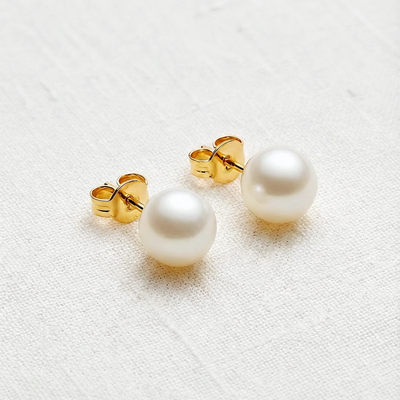
Finely Tuned
Since 1935, Paspaley has continued to refine the art of working with mother‑of‑pearl, evolving from the traditional hand‑carving techniques of early pearl divers to today’s meticulous, precision‑led craftsmanship.
Wearable Art
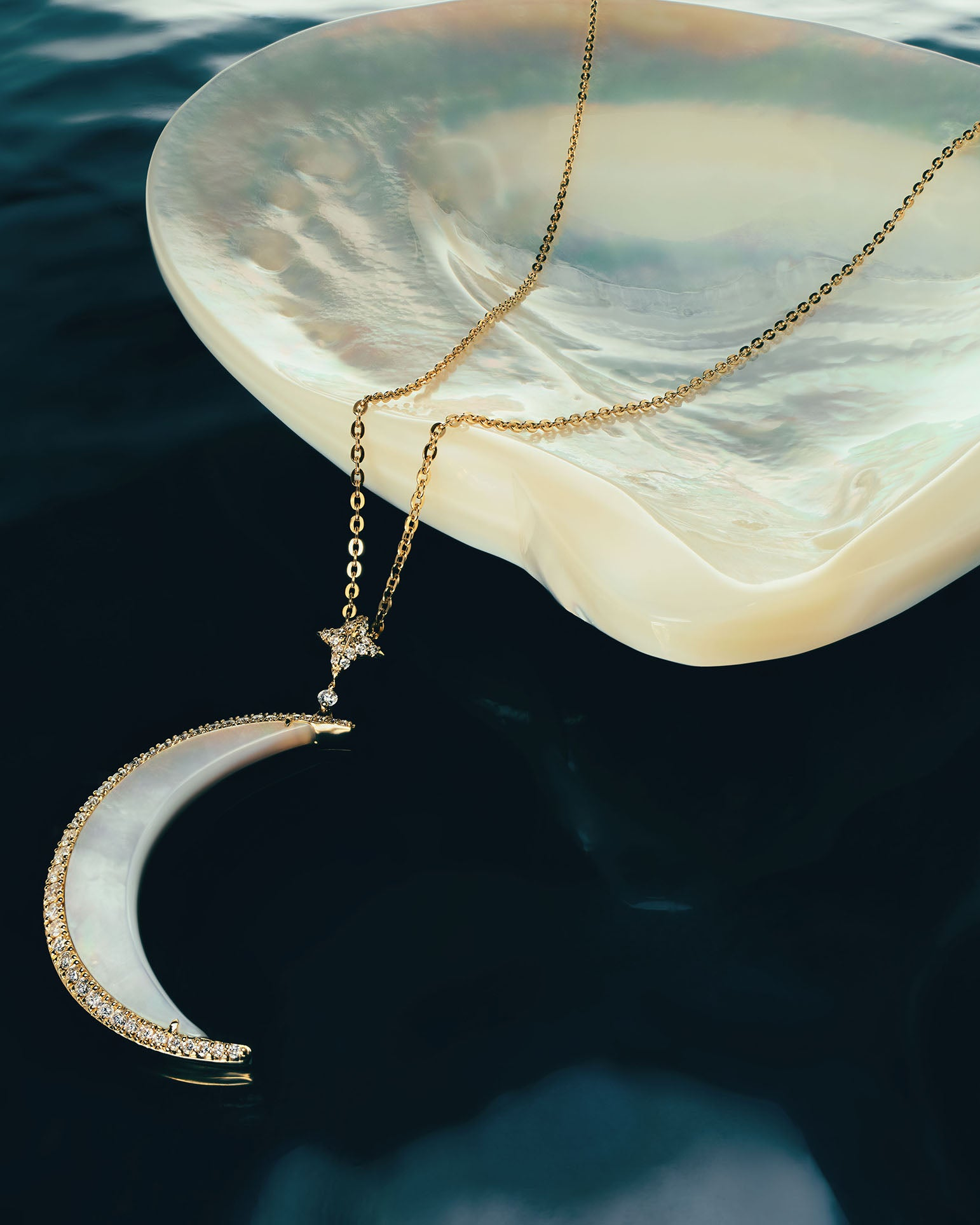
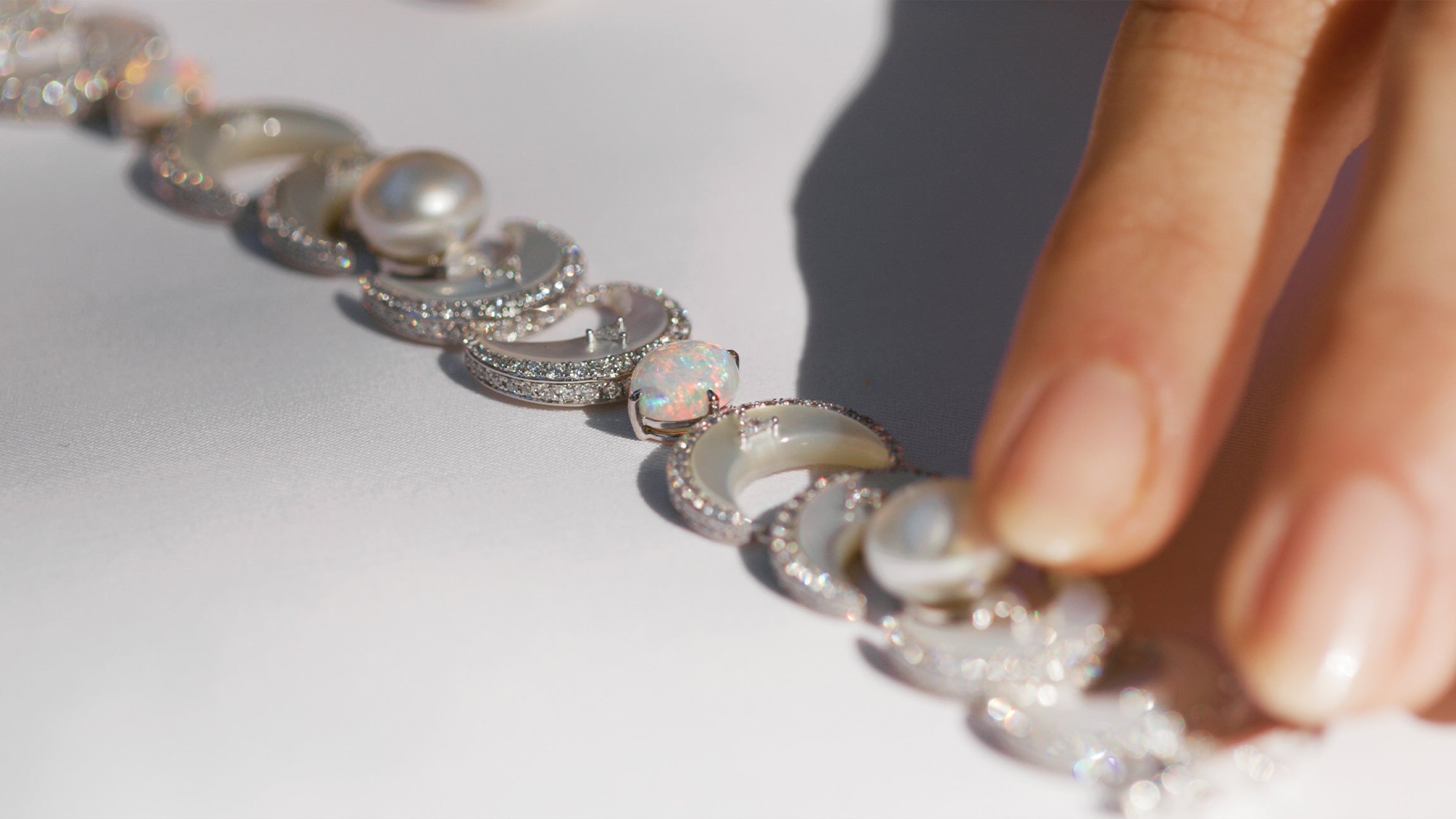
Paspaley mother‑of‑pearl jewellery echoes nature's architecture — lunar arcs, elemental landscapes and fluid horizons. Each design faithfully balances light and form, allowing the material’s natural beauty to lead.

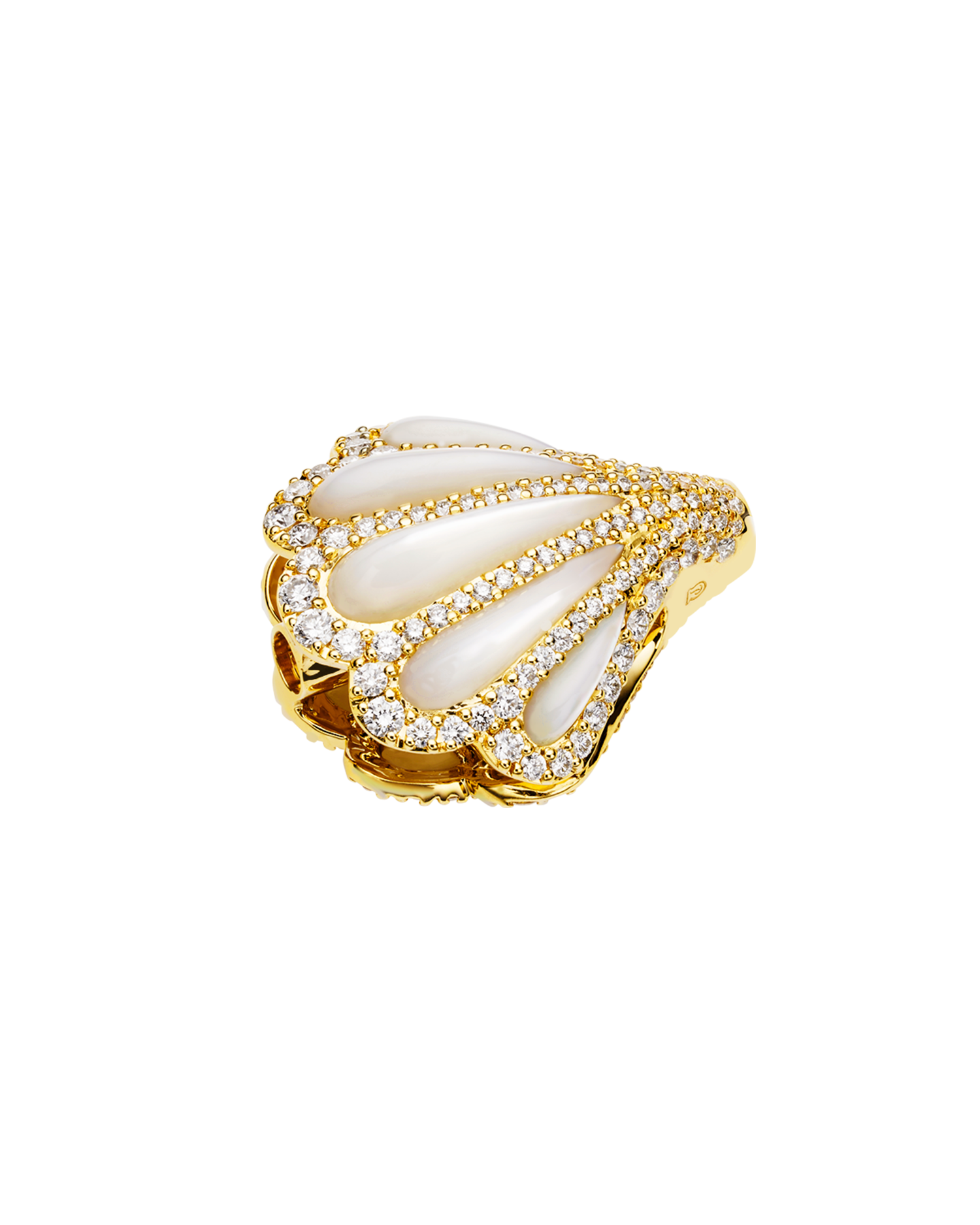
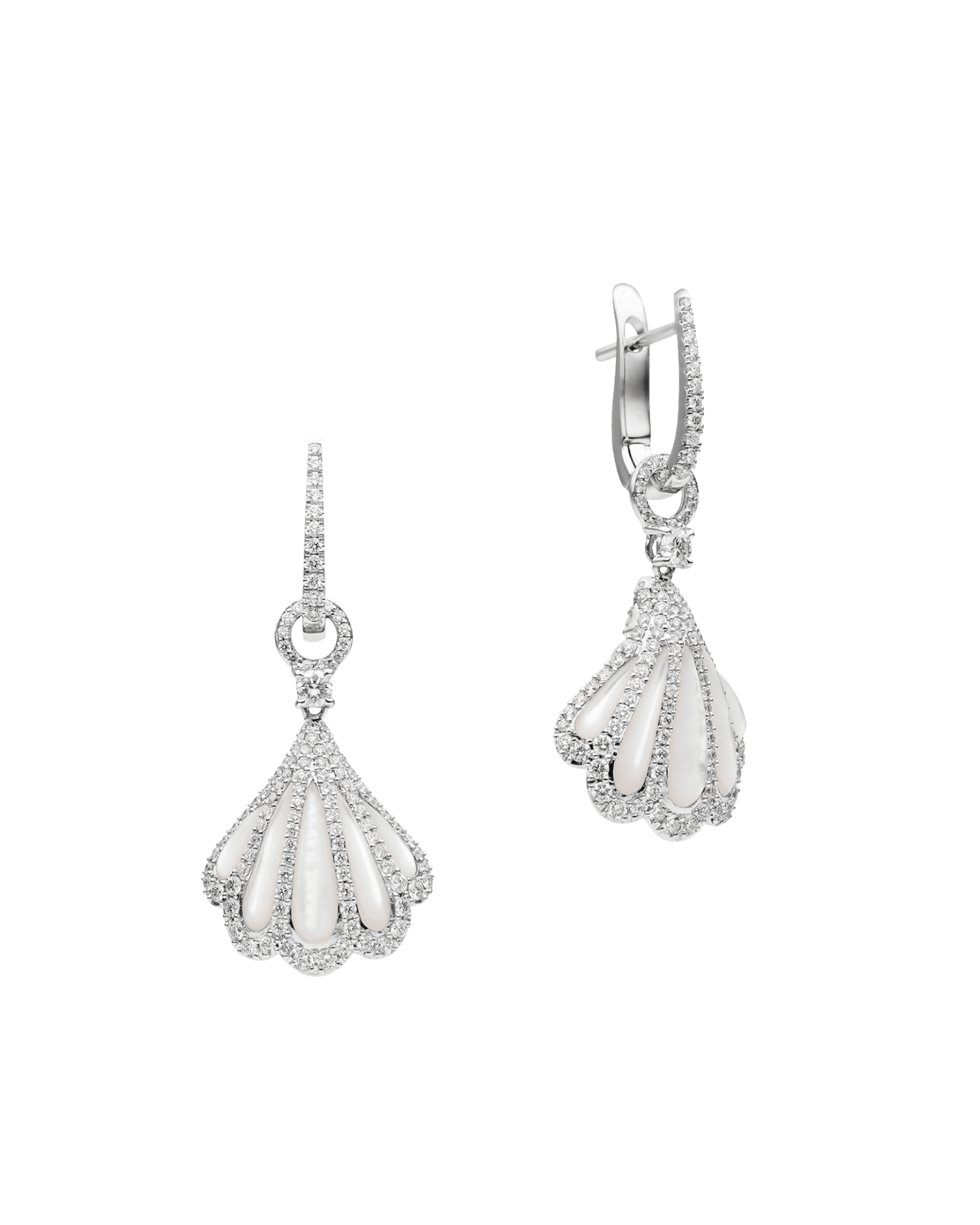
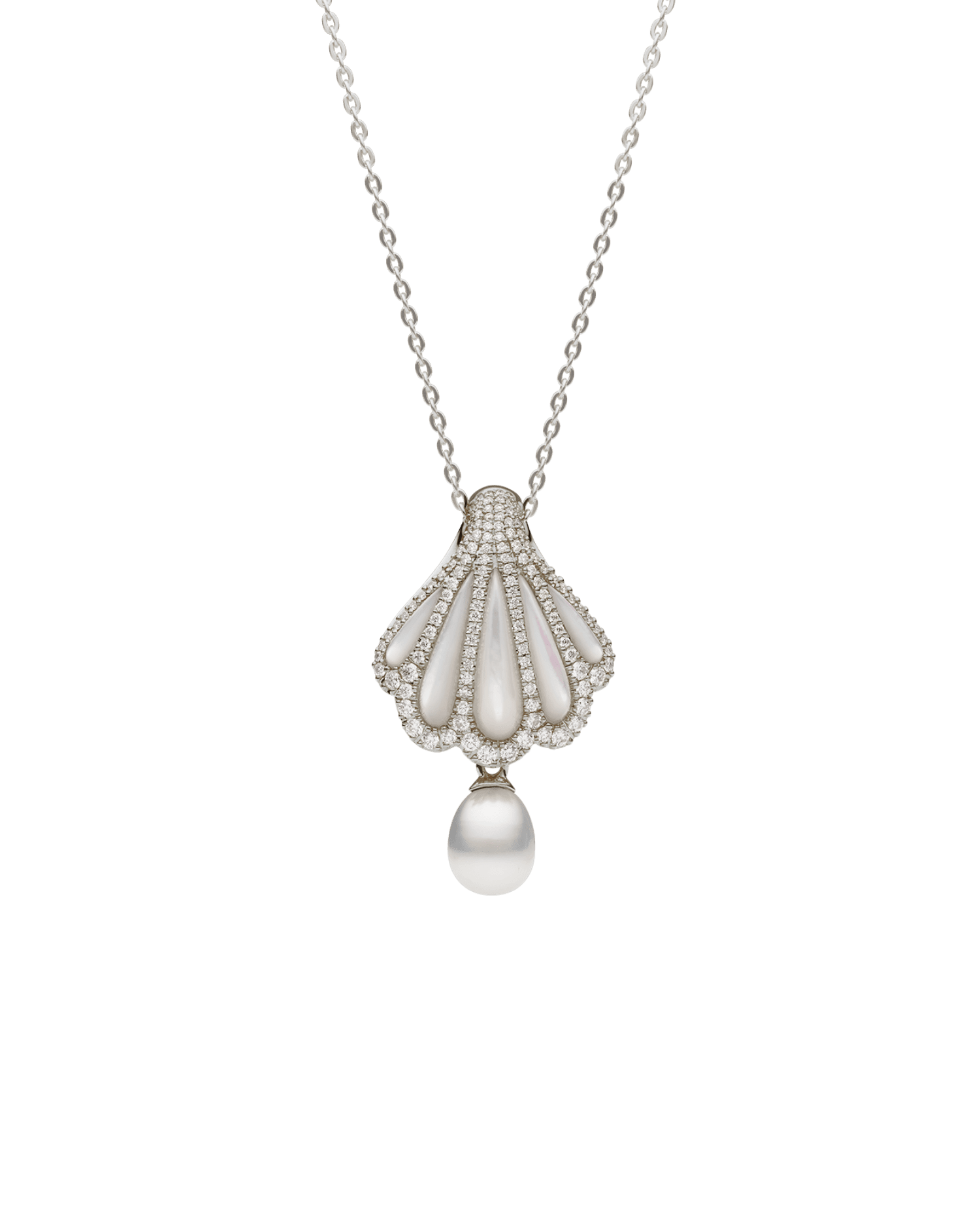
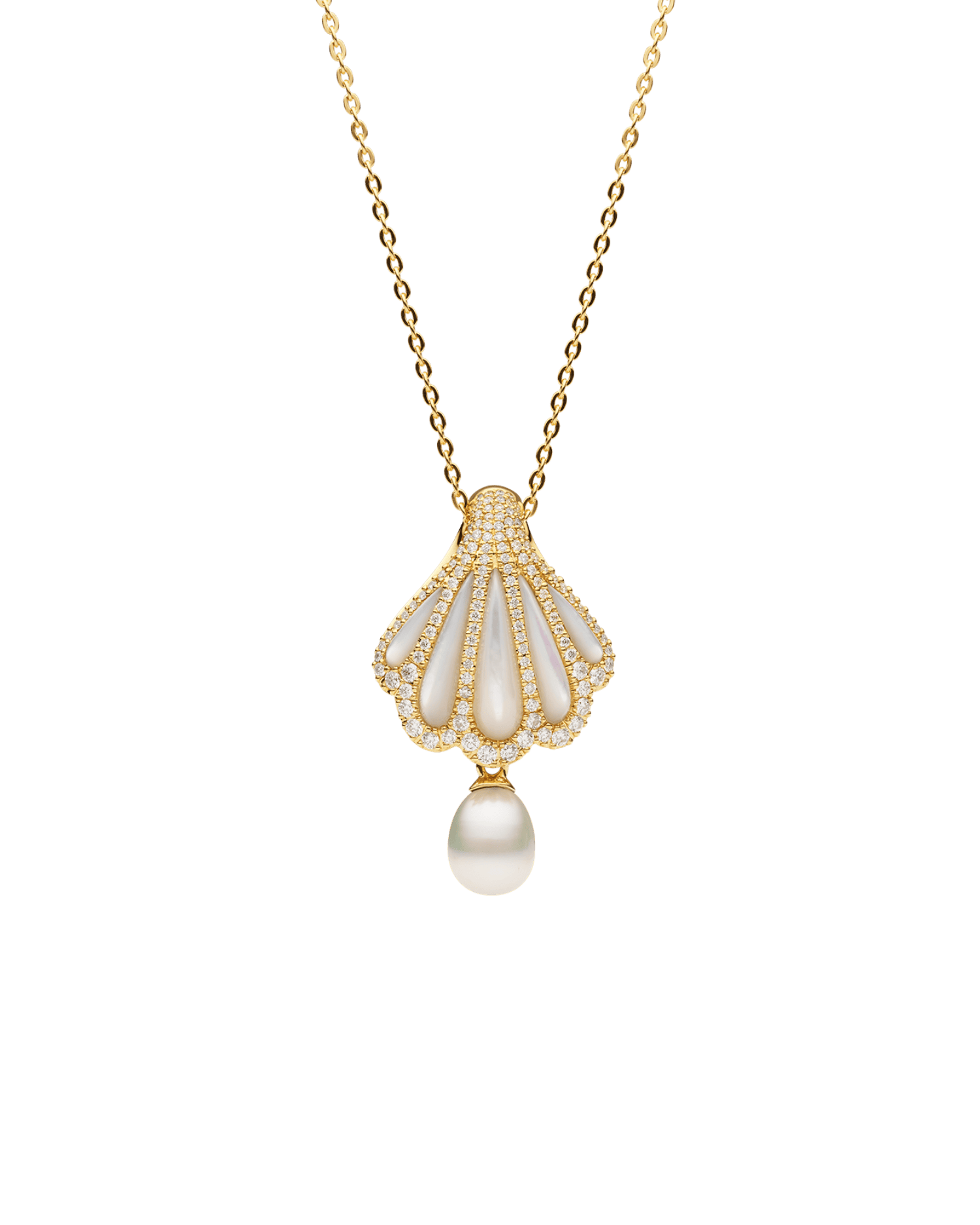
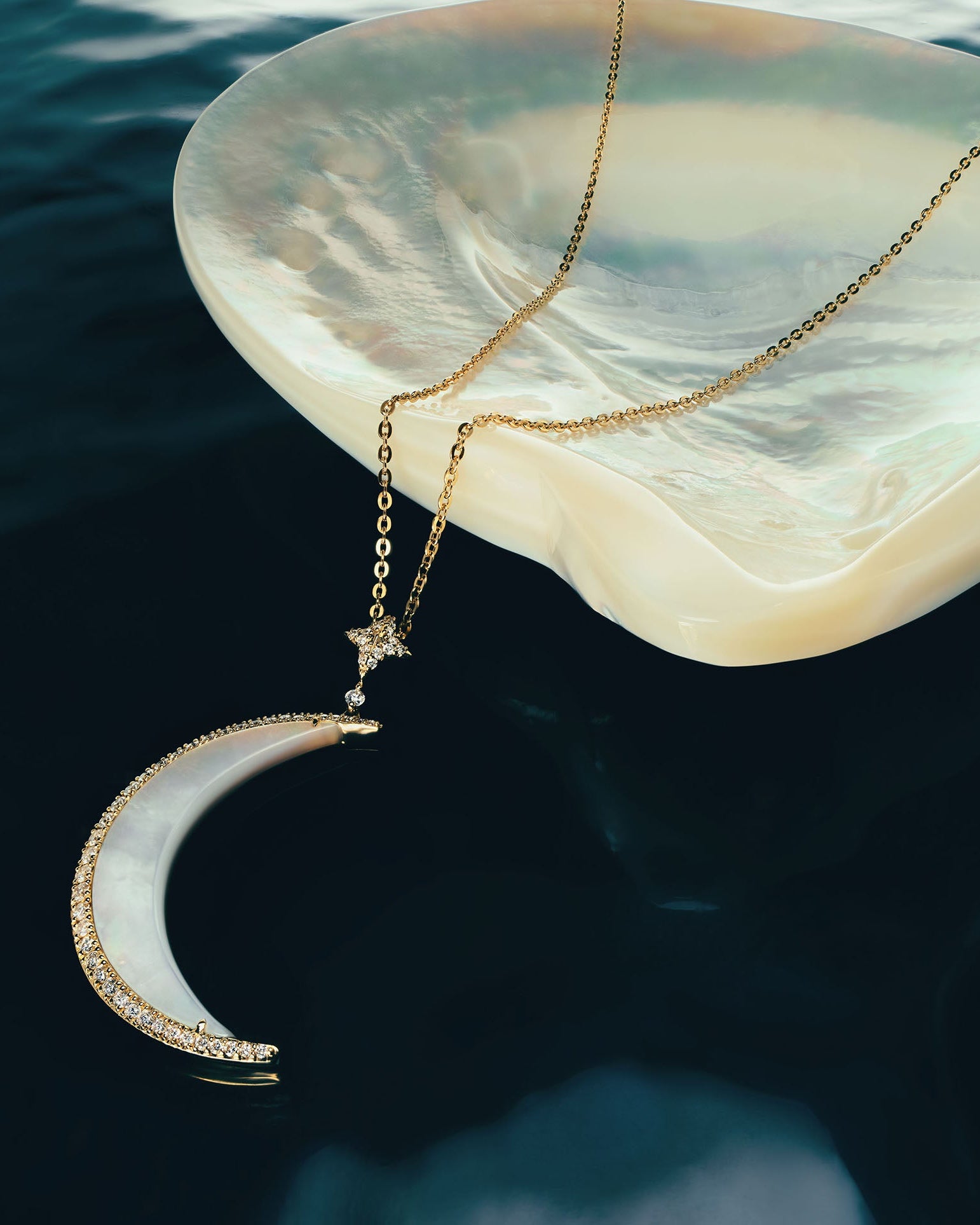
Moonlight
Moonlight honours lunar energy and its influence on the tides.
Reflecting the interplay of sky and sea, the luminous collection pairs
mother‑of‑pearl with precious stones and Australian South Sea Pearls.

Moonlight
Moonlight honours lunar energy and its influence on the tides. Reflecting the interplay of sky and sea, the luminous collection pairs mother‑of‑pearl with precious stones and Australian South Sea Pearls.

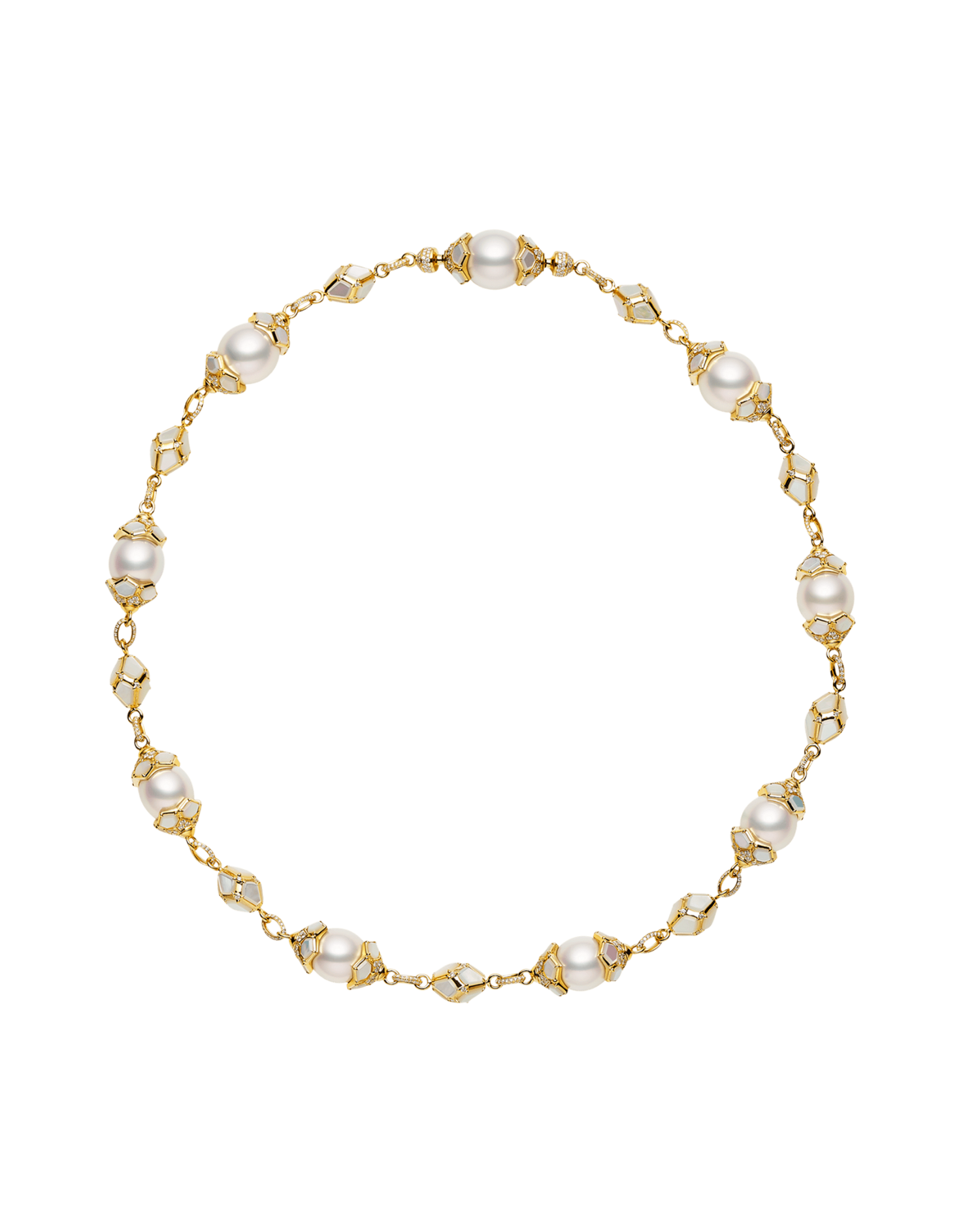
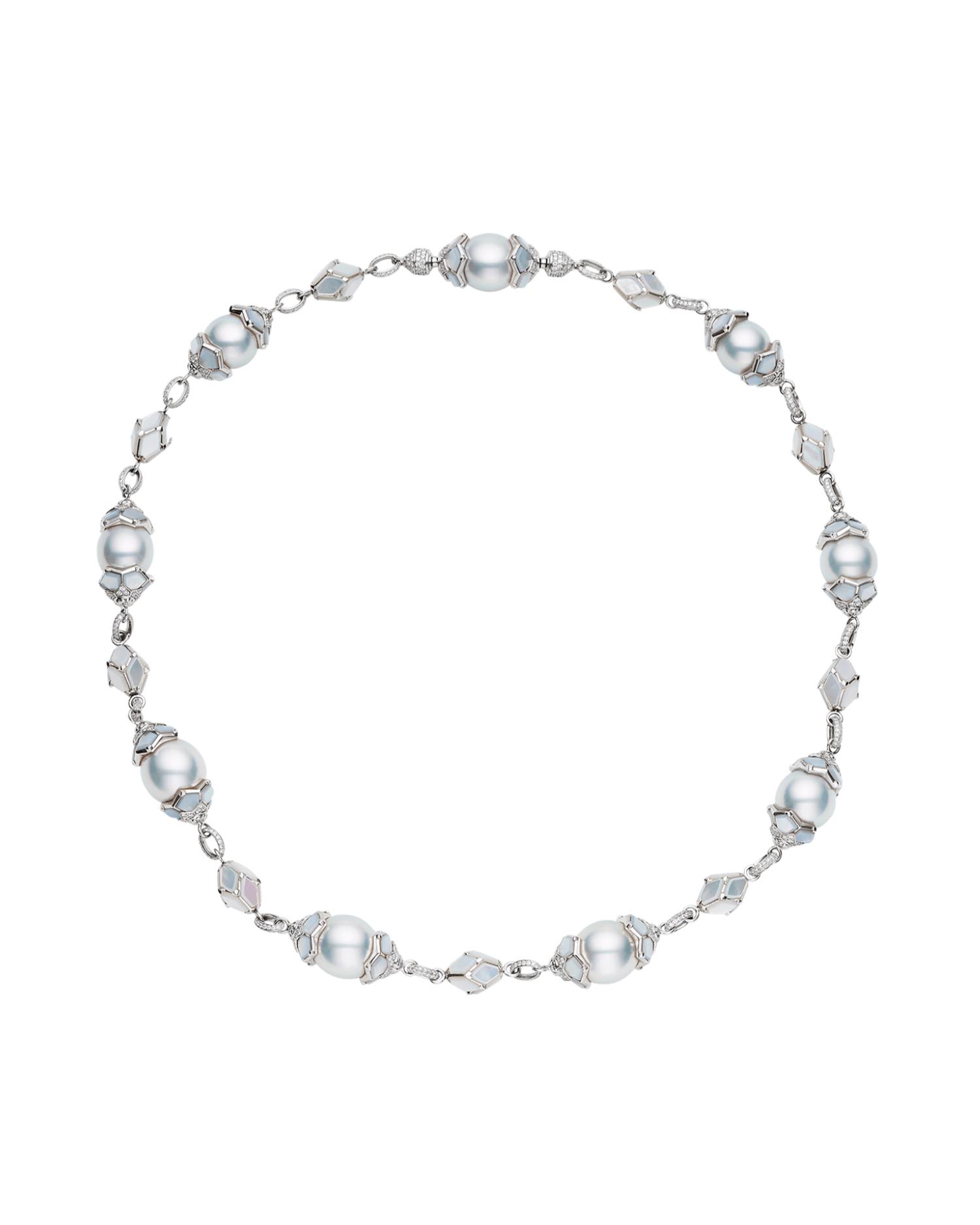
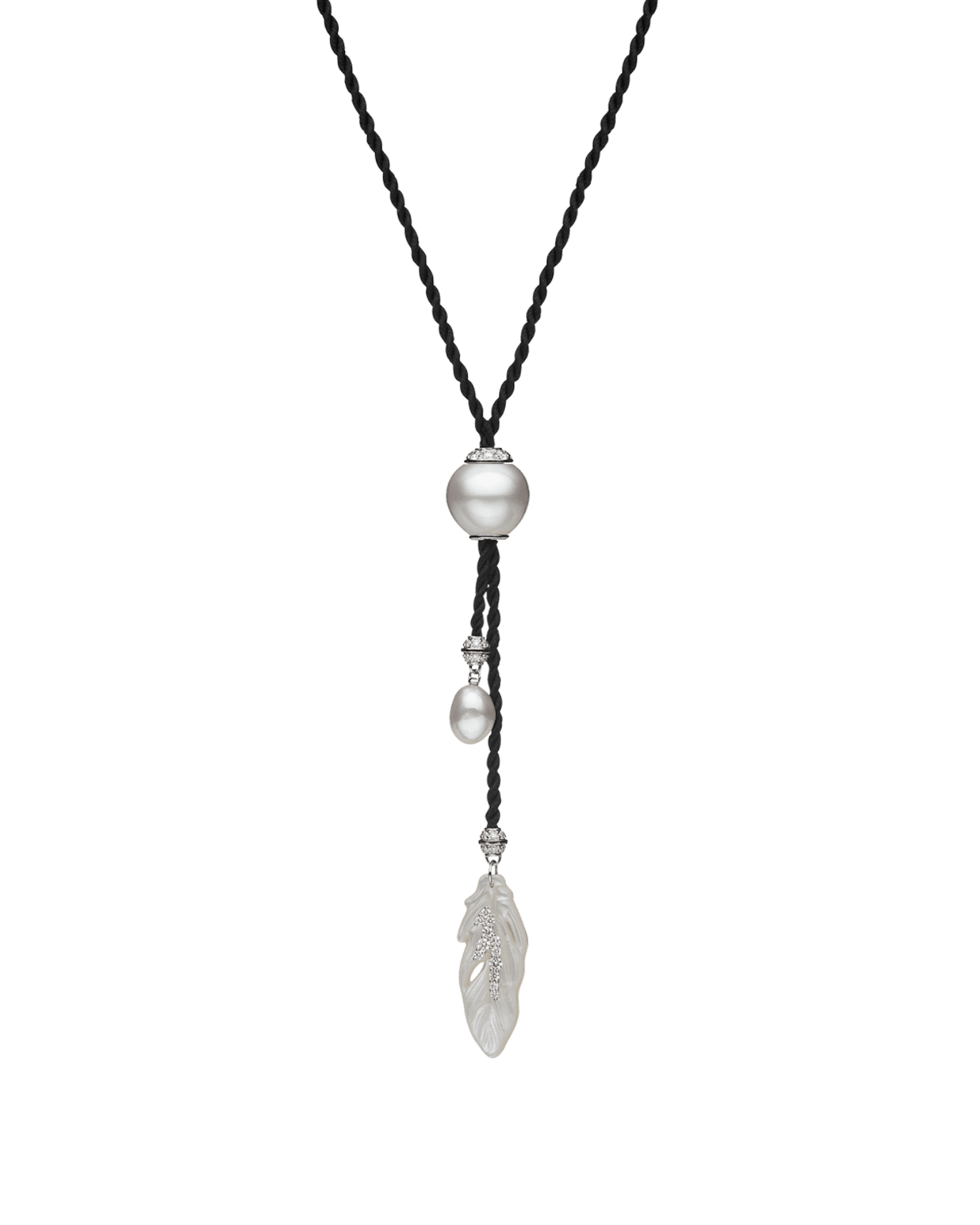
megisti
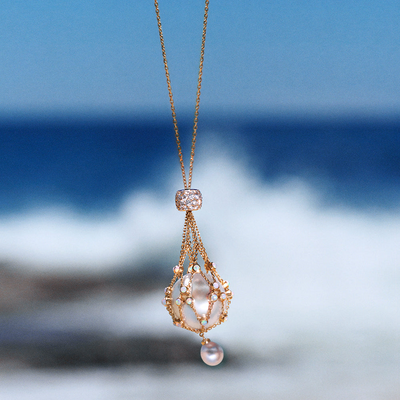
Megisti presents mother‑of‑pearl as a dialogue between land and sea.
Inspired by Nicholas Paspaley Snr’s journey from Greece to the Kimberley,
the collection celebrates a meeting of two ancient worlds.
megisti
Megisti presents mother-of-pearl
as a dialogue between land and sea.
Inspired by Nicholas Paspaley Snr's
journey from Greece to the Kimberley,
the collection celebrates a meeting of two ancient worlds.
Mother of Pearl
OBJECTS OF ART
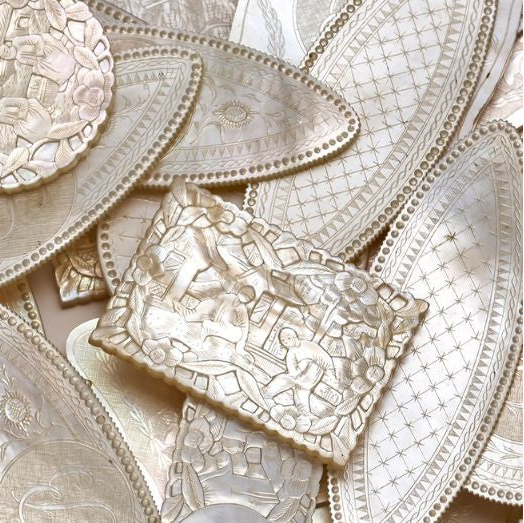
Collectors have long coveted mother-of-pearl objects. Exhibited, studied, and revered, they transcend ornament — they are objets d'art.
The Paspaley family’s archive preserves mother‑of‑pearl artifacts, reflecting an ancient material that gained cultural prominence in the early years of Australian pearling.
Each object tells a singular story. Together, they form a living record.
Quiet Armour
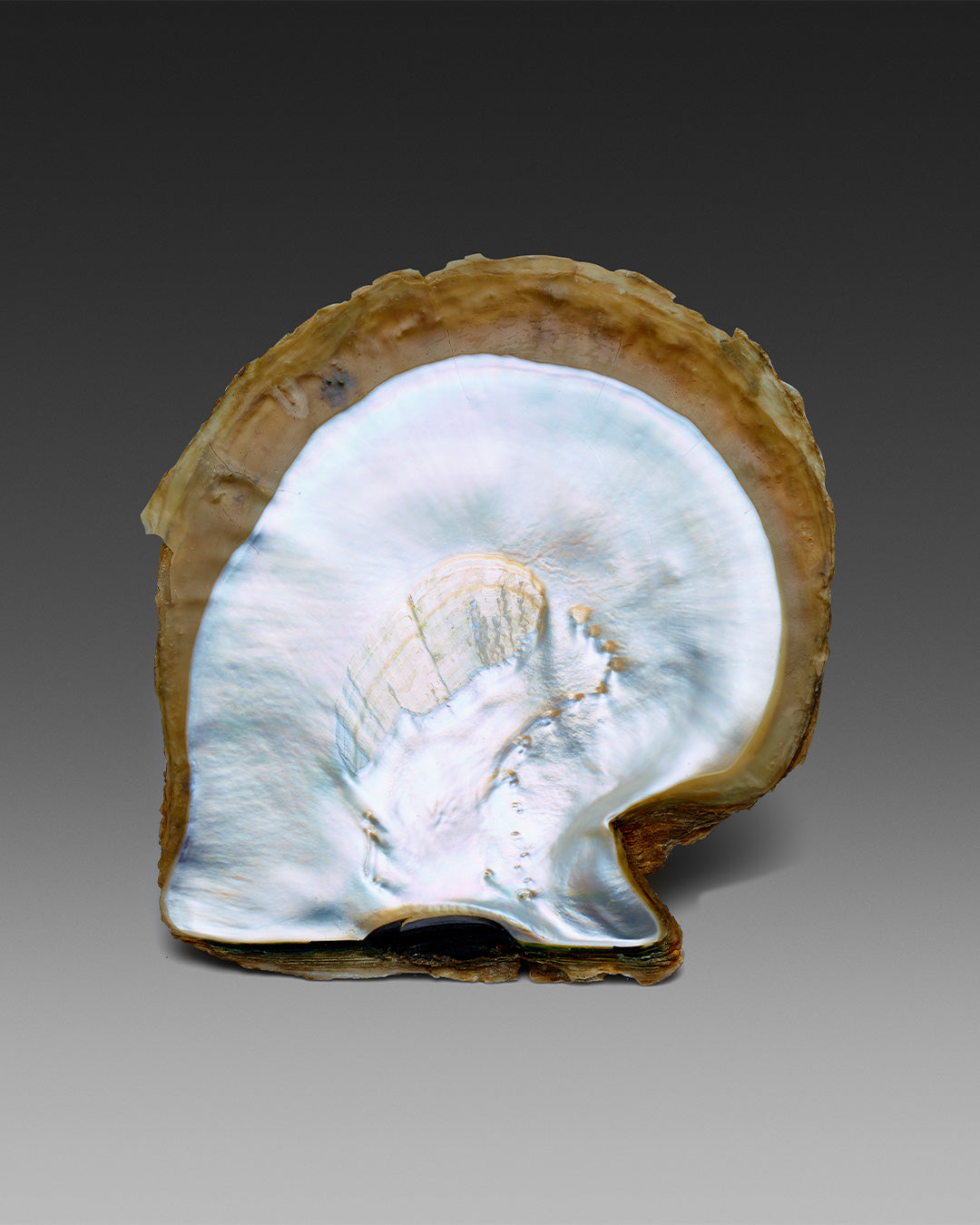
Mother‑of‑pearl forms in protective layers — a strong, iridescent shield and the foundation for every pearl. Transformed into treasure, it embodies patience, protection and natural beauty.
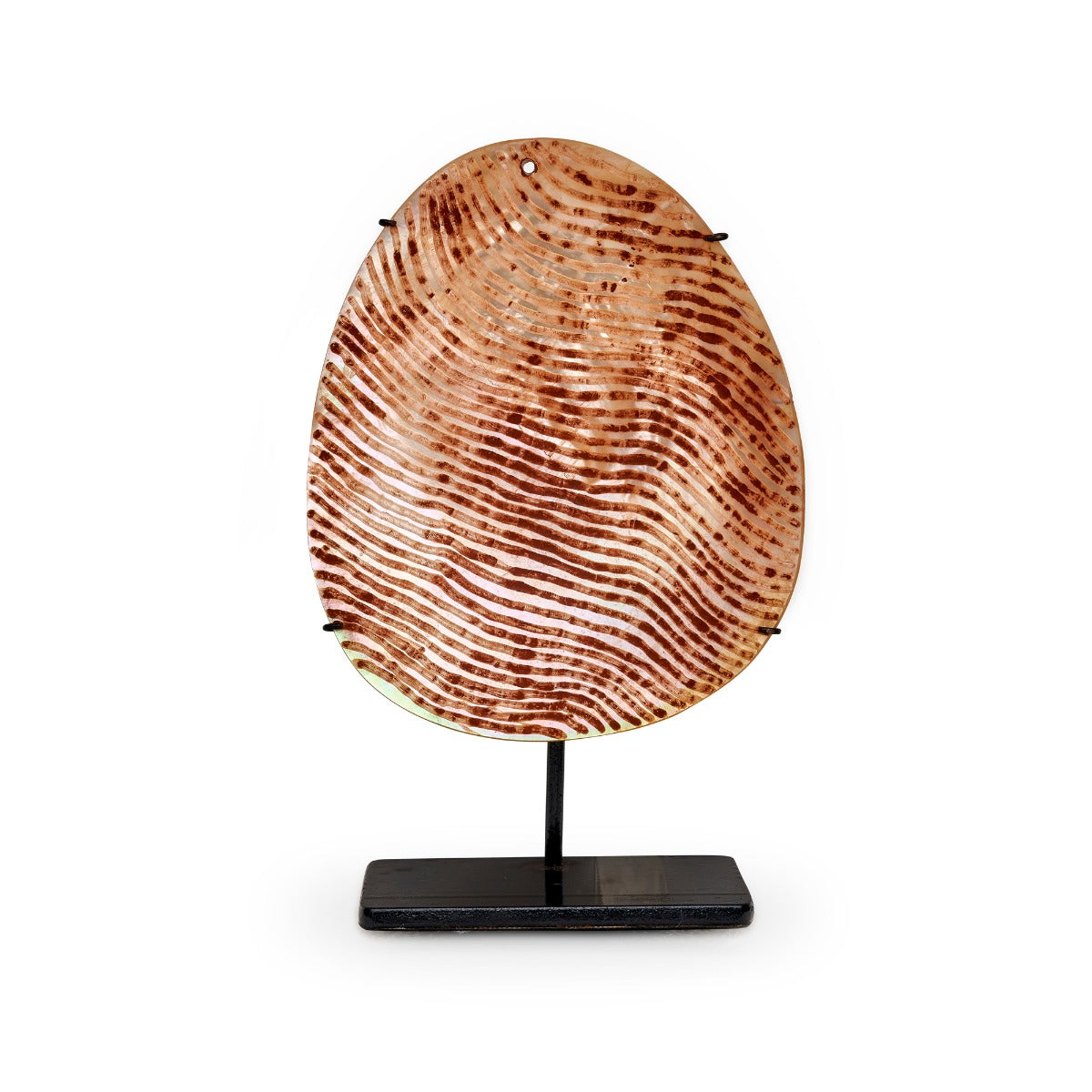
Riji, worn by Aboriginal men in north-west Australia
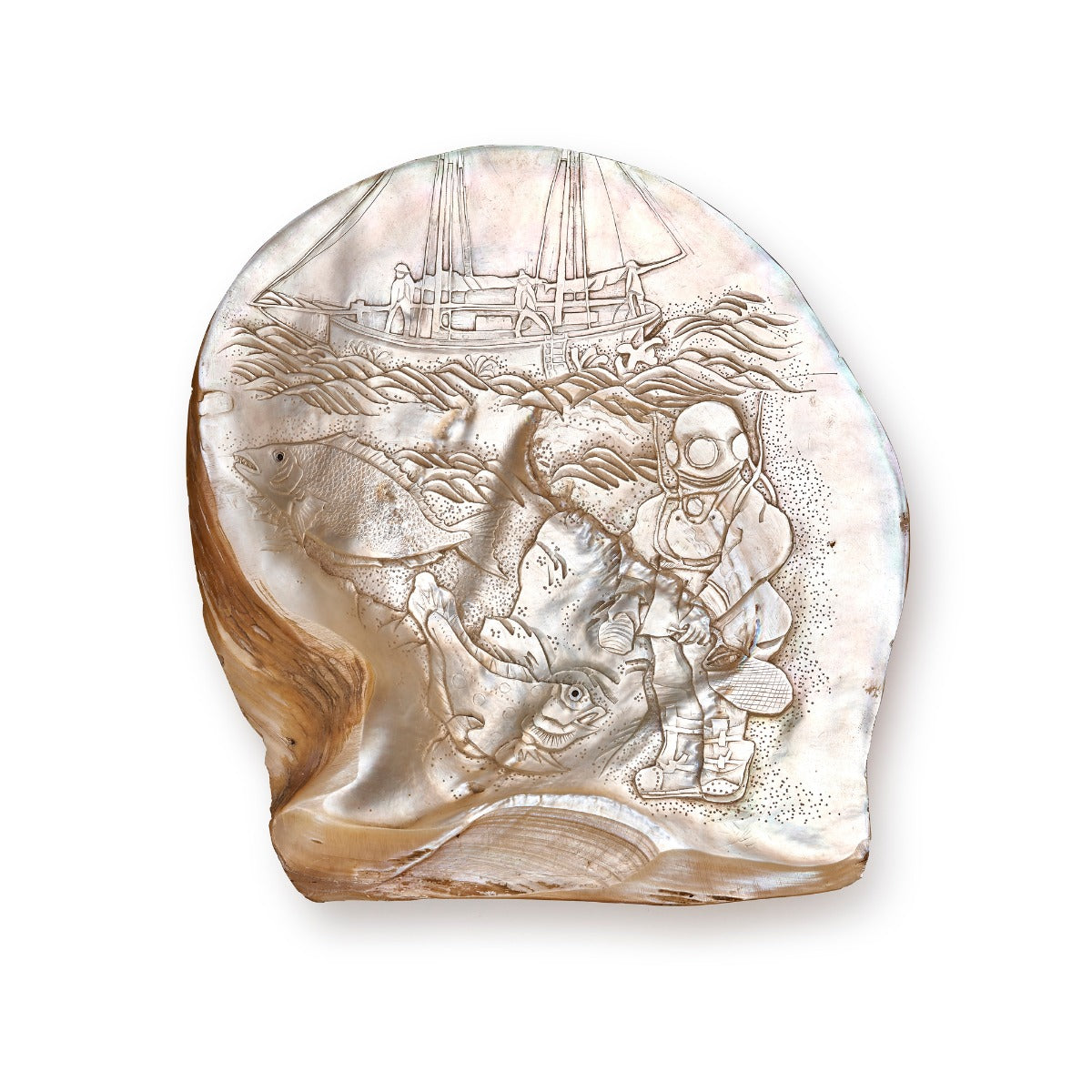
Pinctada maxima shell carving- Hard Hat Diver
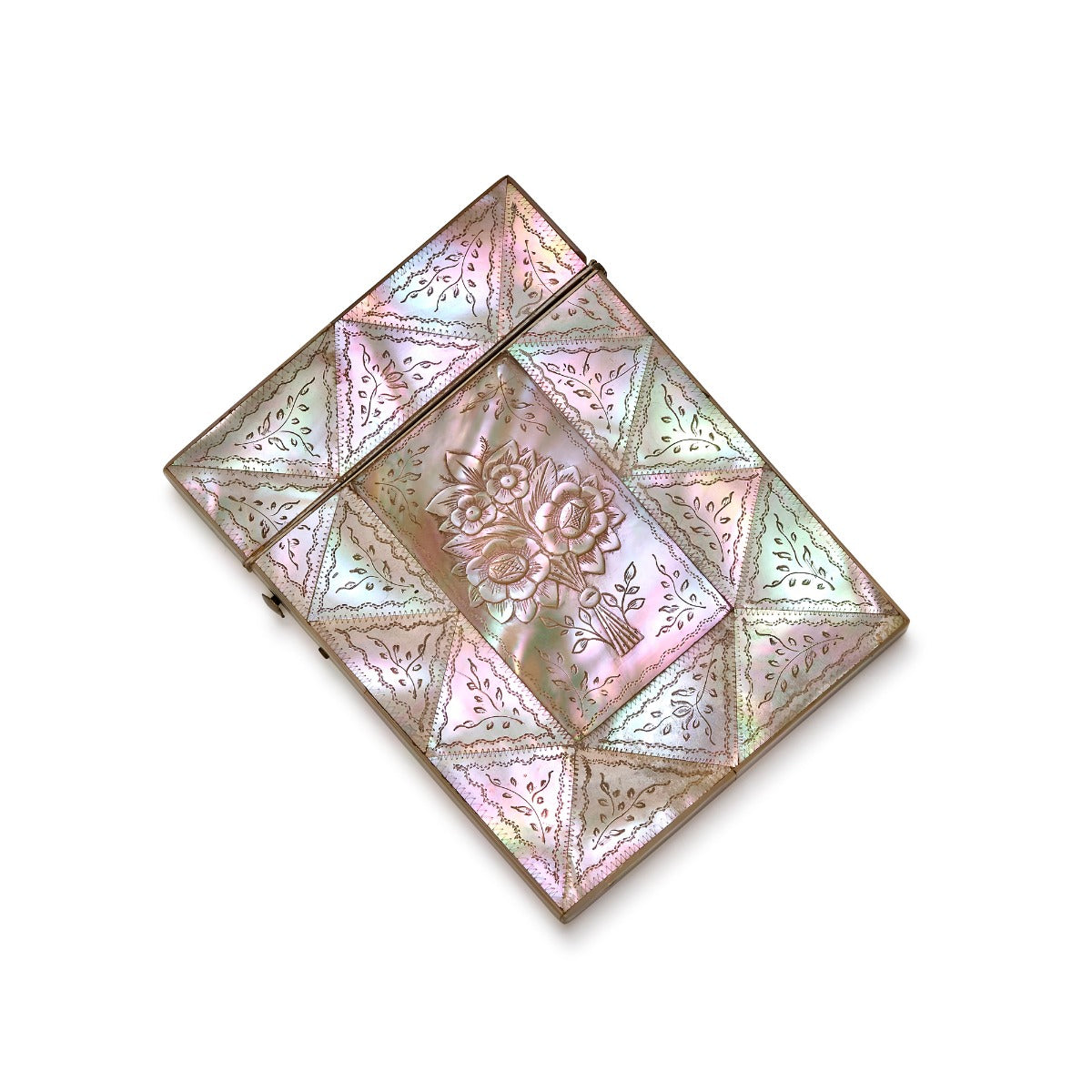
Pinctada maxima shell card holder, Europe, 1930s
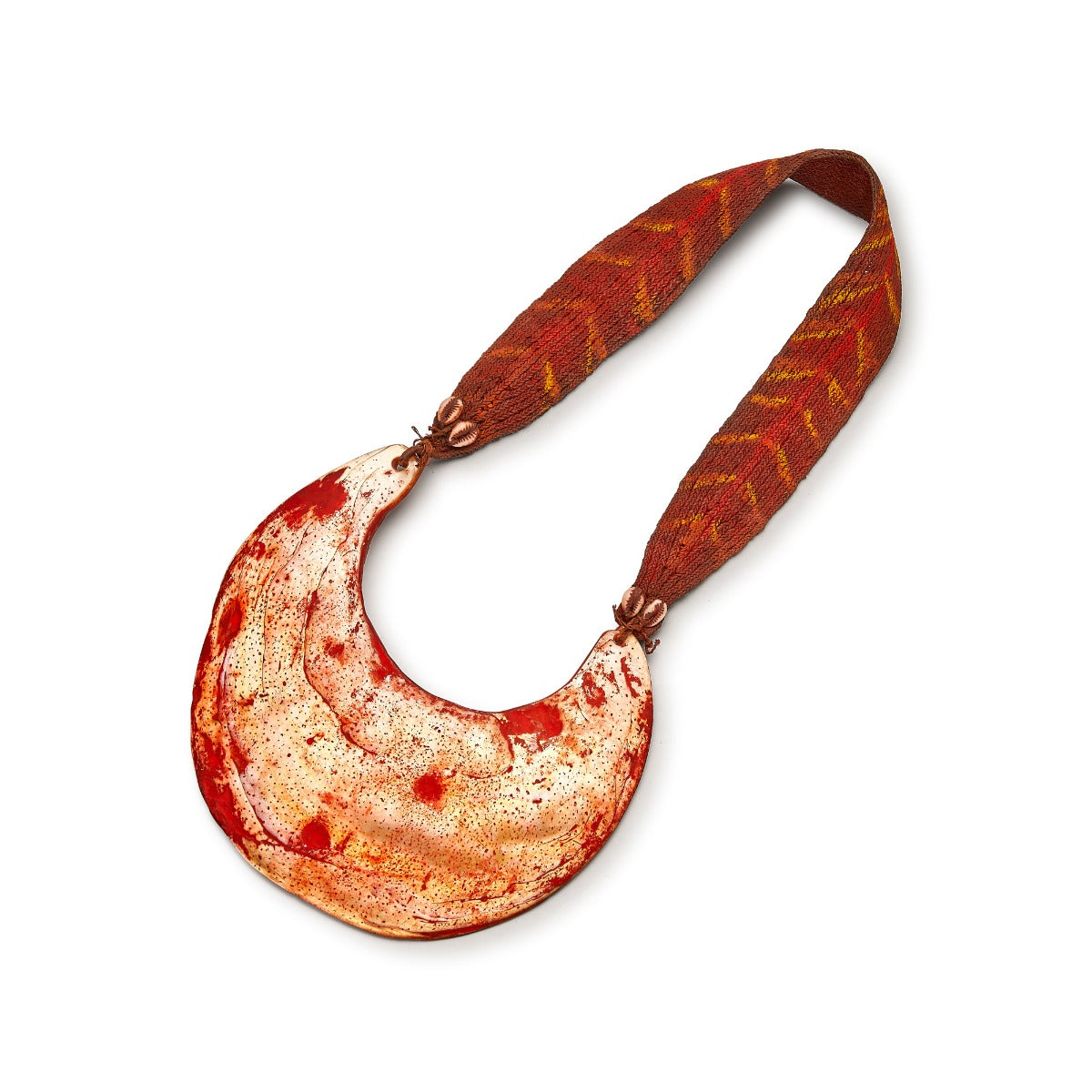
Pinctada maxima shell Kina necklace, Papua New Guinea, 1950s
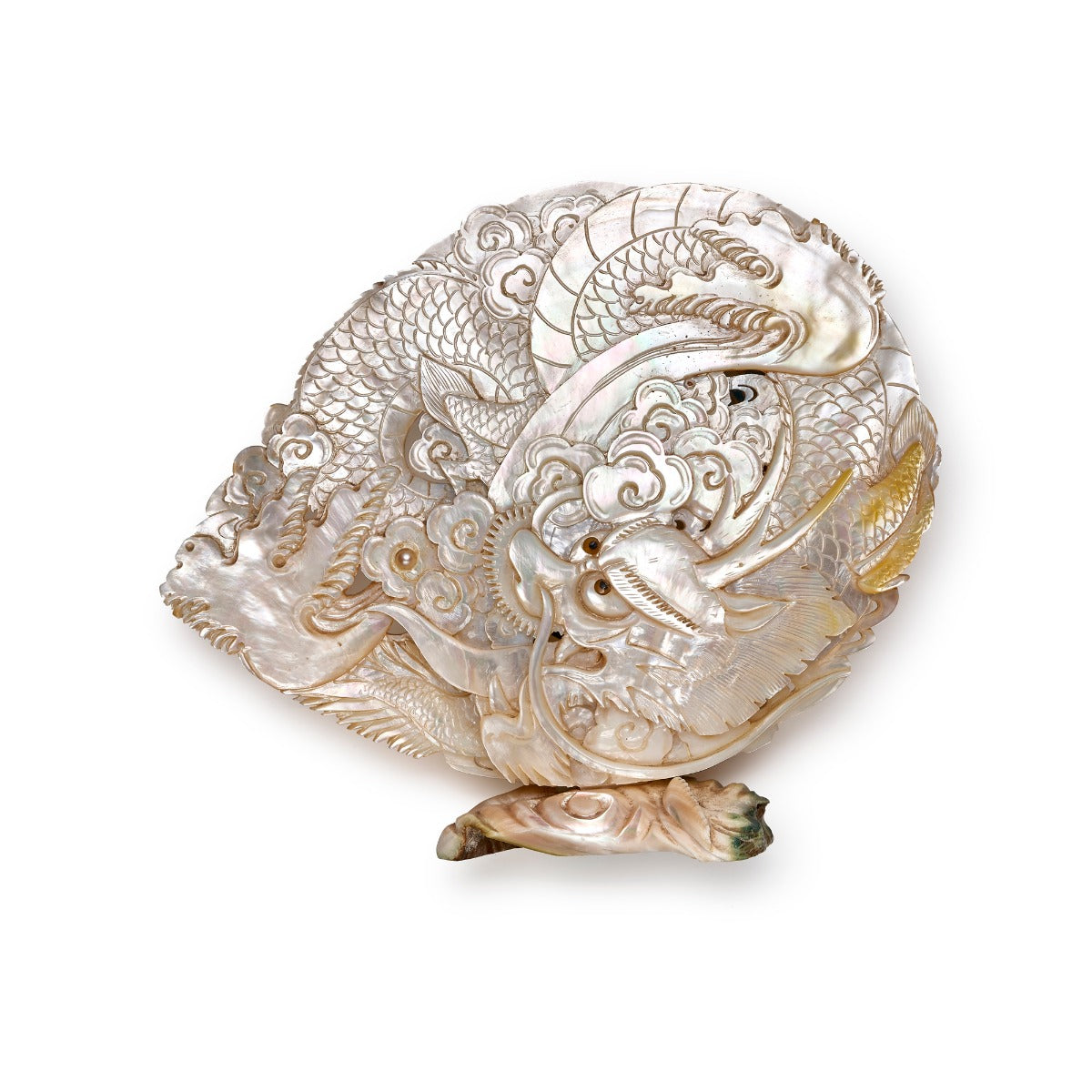
Mother of pearl shell carving, China, c 1950
A Symbol of Safety
Across cultures, mother-of-pearl represents serenity, protection and intuition. Worn close to the skin, it amplifies natural beauty, inviting nurturing energy and emotional balance.
In the Kimberley region, the iridescent surface of mother-of-pearl is linked to water and the Rainbow Serpent. It is also considered an "emblem of life".
Carved pearl shells, known as riji, are highly valued in ceremonies and traditionally worn by maban (powerful spiritual men) to bring rain and heal the sick.
In parts of Europe, mother-of-pearl has historically symbolised wealth and status. Associated with the nurturing, feminine energy of the moon and ocean, it also represents purity, innocence, protection, and emotional balance.
In Chinese culture, mother-of-pearl is traditionally associated with good luck, prosperity, fostering harmony and balance in life. It is also considered a bridge between the human and natural worlds.
Ancient Egyptians associated mother-of-pearl with the god of the moon (Khonsu), the ocean, and the calm, soothing energy of the sea.
In the Indian Vedic tradition, mother-of-pearl is deeply connected to the Hindu deity of the moon (Chandra) and viewed as a source of prosperity and emotional clarity.
Radiant Legacies
Crafted into fine jewellery, mother-of-pearl becomes an heirloom. Reflecting the bonds that shape us, the care that sustains us, and the stories passed through generations, it endures, a quiet witness to the lives it touches.
EXPLORE MOTHER OF PEARL JEWELLERY