




sustainability
THE ART OF SUSTAINABLE GEMS
For over half a century, Paspaley has worked in harmony with nature, protecting and preserving the remote waters of the Kimberley, home to the world’s most beautiful pearls.
Sustainability is not a recent idea. It is the foundation of responsible pearling, shaped by decades of learning and regulation. Paspaley has long advocated for the protection of northern Australia’s marine environments, recognising that high-quality pearls can only be cultivated where nature is equally cared for.
As part of this commitment, Paspaley’s sustainability credentials have been certified by the Marine Stewardship Council (MSC), an independent, science-based organisation recognised globally as the benchmark for sustainable wild fisheries.

MSC Certification
The Marine Stewardship Council (MSC) is an independent, global organisation that assesses the sustainability of wild fisheries through rigorous, science-based standards.
This certification reflects the integrity of the entire pearling process, from wild oyster collection to pearl cultivation, and provides assurance of responsible environmental management.
MSC certification is assessed across three key areas: The Fishery, The Environment & The Management Framework or Governance.
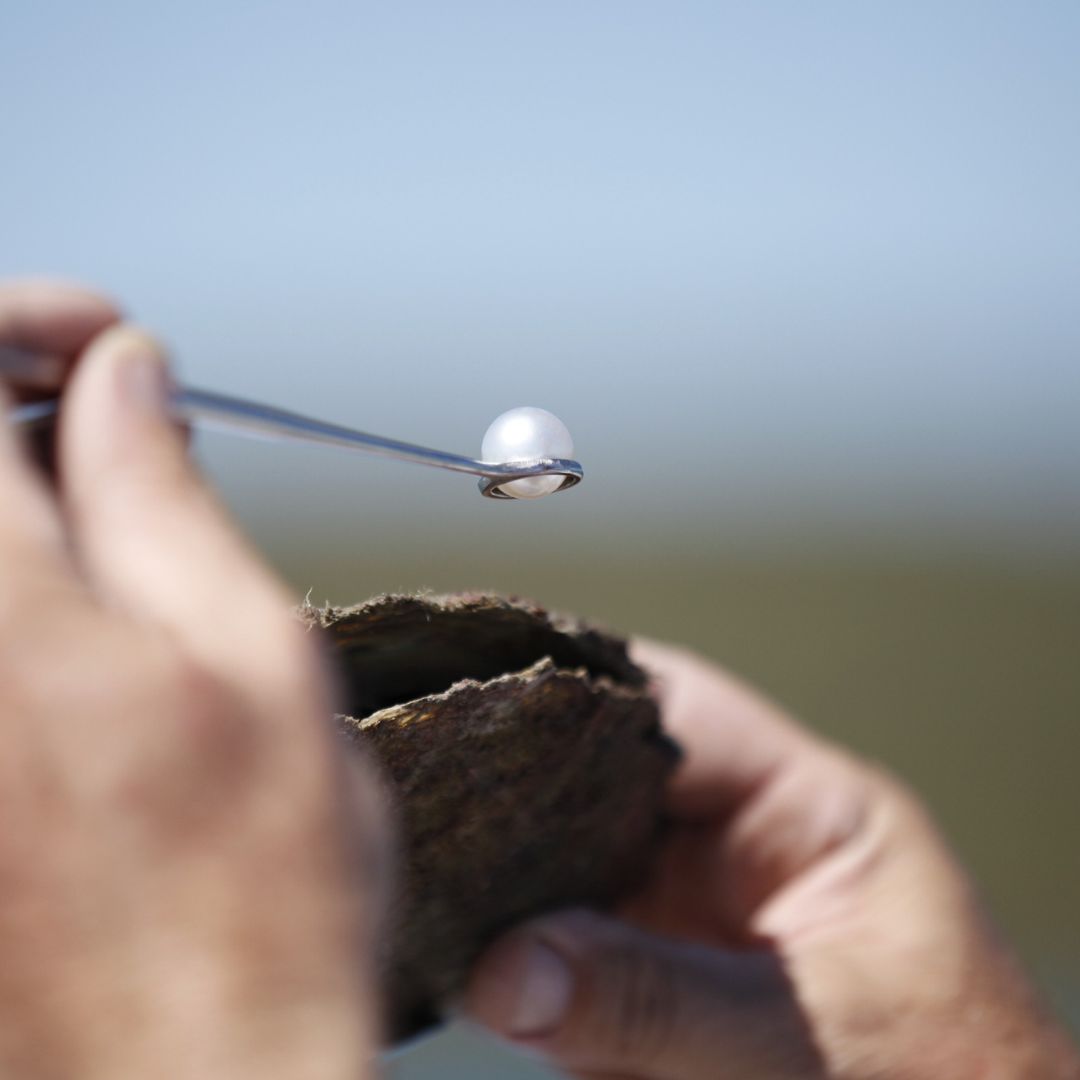
The Fishery
The Australian pearling industry operates under strict government regulation, with sustainability embedded as its primary objective.
Catch quotas, license controls, and detailed data collection ensure the health of wild oyster stocks. Each year, extensive dive data is analysed to guide sustainable harvest levels.
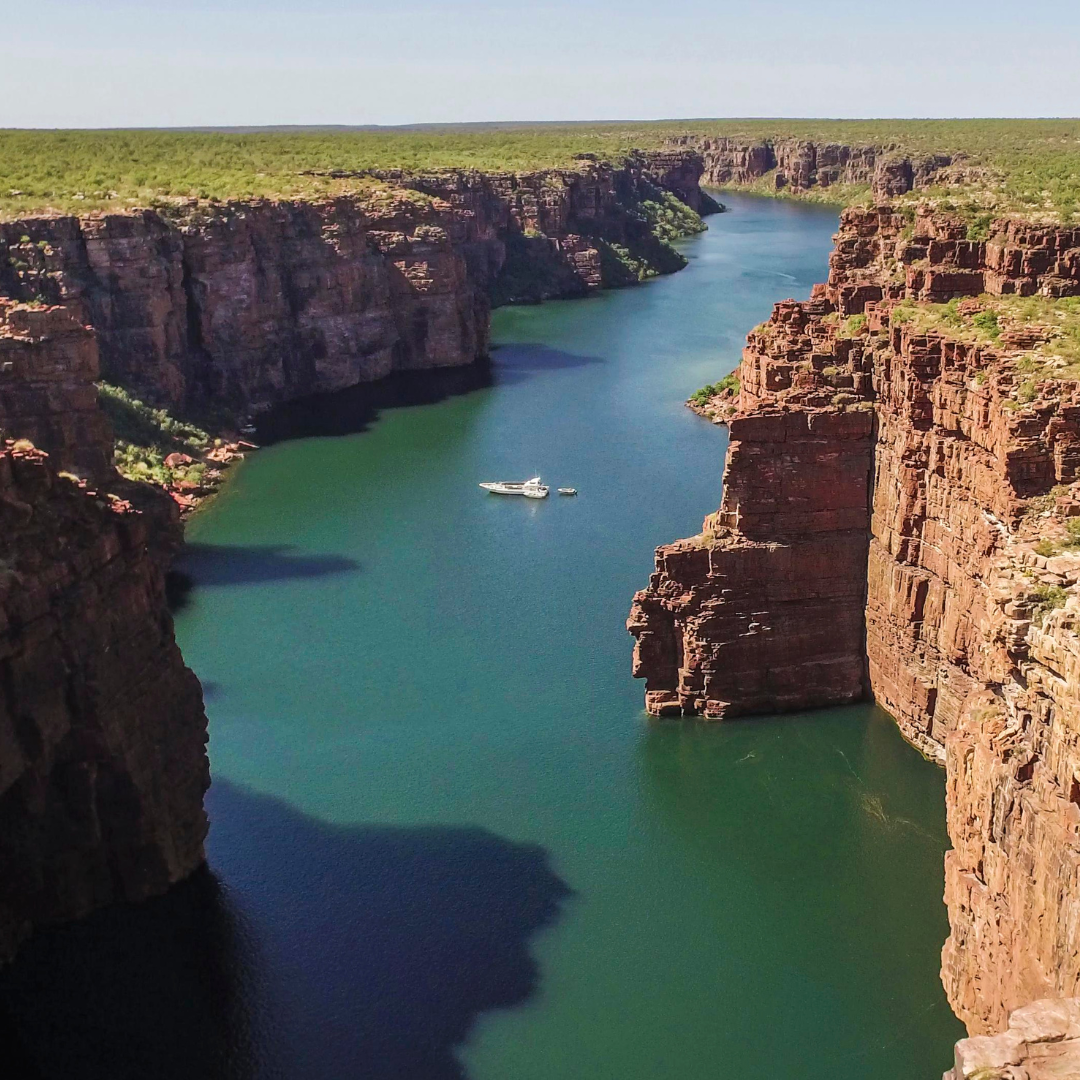
The Environment
Paspaley’s operations are designed to minimise environmental impact.
Divers collect oysters without contacting the seabed, preserving marine habitats and water clarity. The selective harvesting process ensures no impact on protected or endangered species.
Pearl farming itself produces no waste and requires no external feeding, relying entirely on naturally occurring nutrients within the marine environment. The economic value of pearling is closely tied to environmental health, making the protection of these ecosystems fundamental to long-term success.

The Management Framework or Governance
The fishery operates within a comprehensive regulatory system developed over decades of collaboration between industry and government.
Daily catch logbooks, quota tracking, and independent oversight ensure transparency and compliance. Monitoring programs, audits, and research initiatives maintain the integrity of the system and support continuous improvement.
This framework reflects a broader industry responsibility, not only to manage resources sustainably, but to actively engage with governments, researchers, and communities to uphold environmental standards and maintain public trust.
A Continuing Commitment
Sustainability within Paspaley extends beyond regulation.
It is grounded in a long-held belief that exceptional pearls can only exist within exceptional environments. This principle guides continued investment in research, environmental monitoring, and responsible operational practices, within some of the world’s most protected and ecologically significant marine regions.
Paspaley remains committed to protecting the Kimberley’s unique marine environment and advancing the practices that sustain it. Guided by experience and strengthened through research, this responsibility reflects a simple truth: the enduring value of a pearl is inseparable from the health of the ocean in which it is formed.